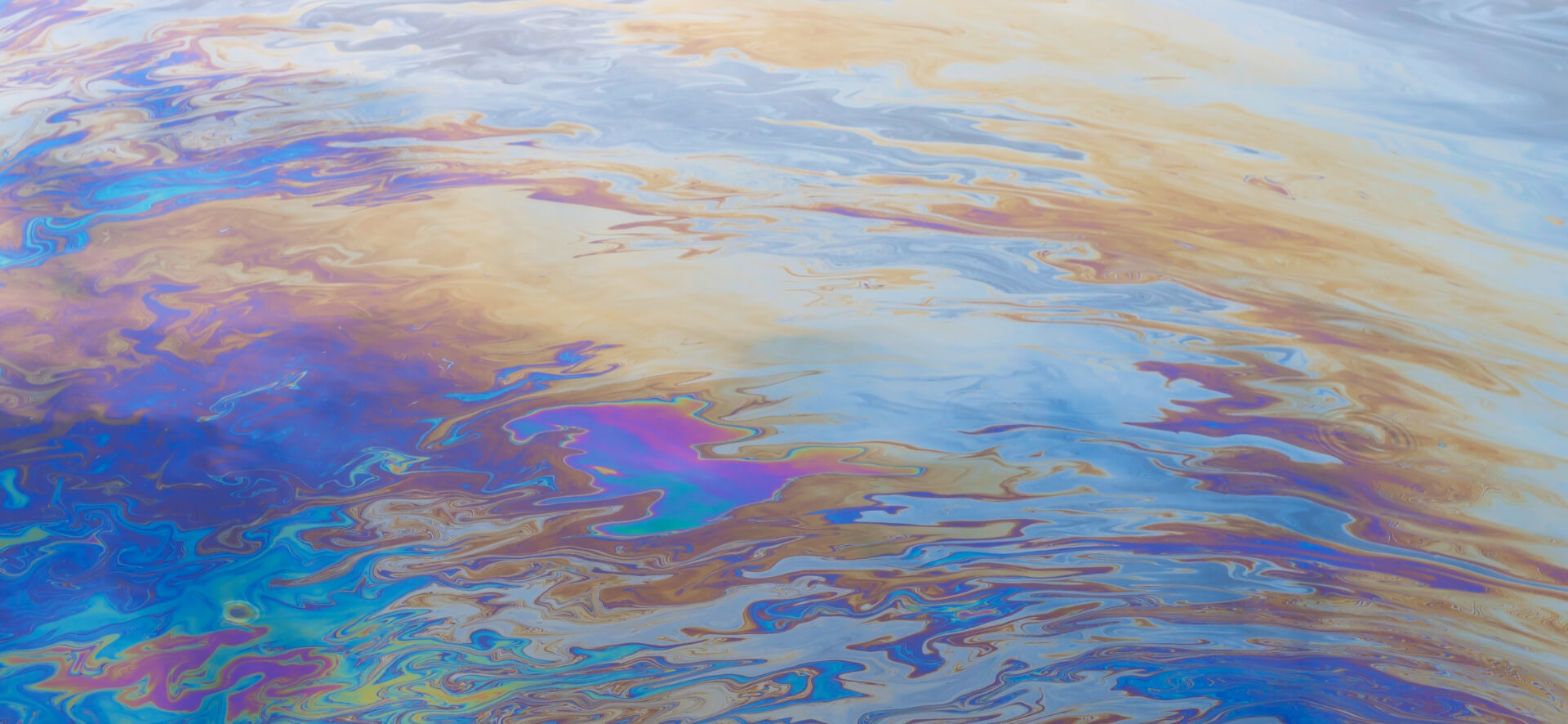
Image of oil spilled in the sea
Our current Challengesand the final solution
Oil SpillsThe importance of acting now
Petroleum
"355 oil spills detected via satellite imagery"
Nome autore, titolo dell'articolo, anno di pubblicazione
"Large spike: +58% in detected incidents; 7513 detected"
Nome autore, titolo dell'articolo, anno di pubblicazione

Available statistics on oil spills primarily focus on incidents occurring in marine or oceanic environments due to tanker accidents or similar maritime operations. Reliable data on other sources, such as offshore platforms, bunkering activities, and related industrial operations, are either lacking or not accessible to the public.


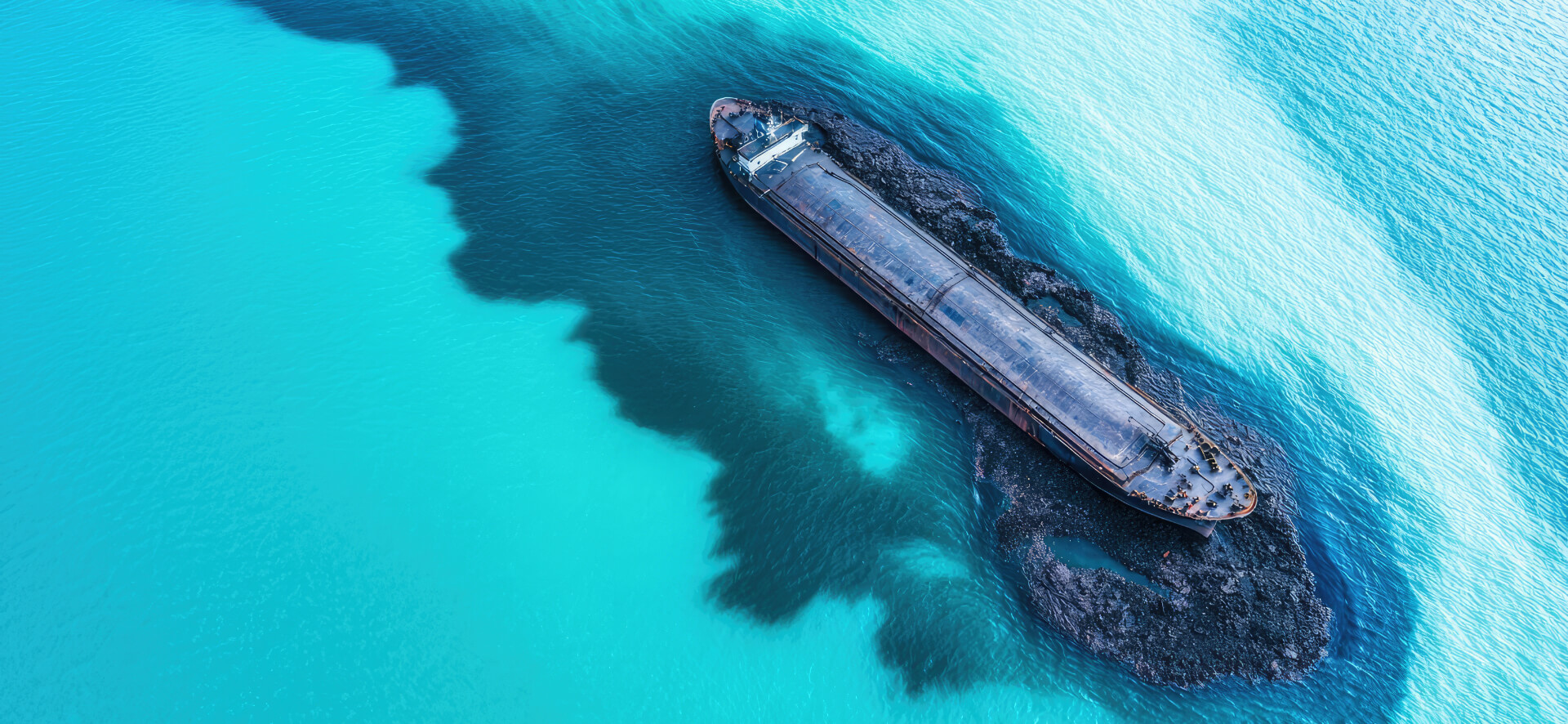
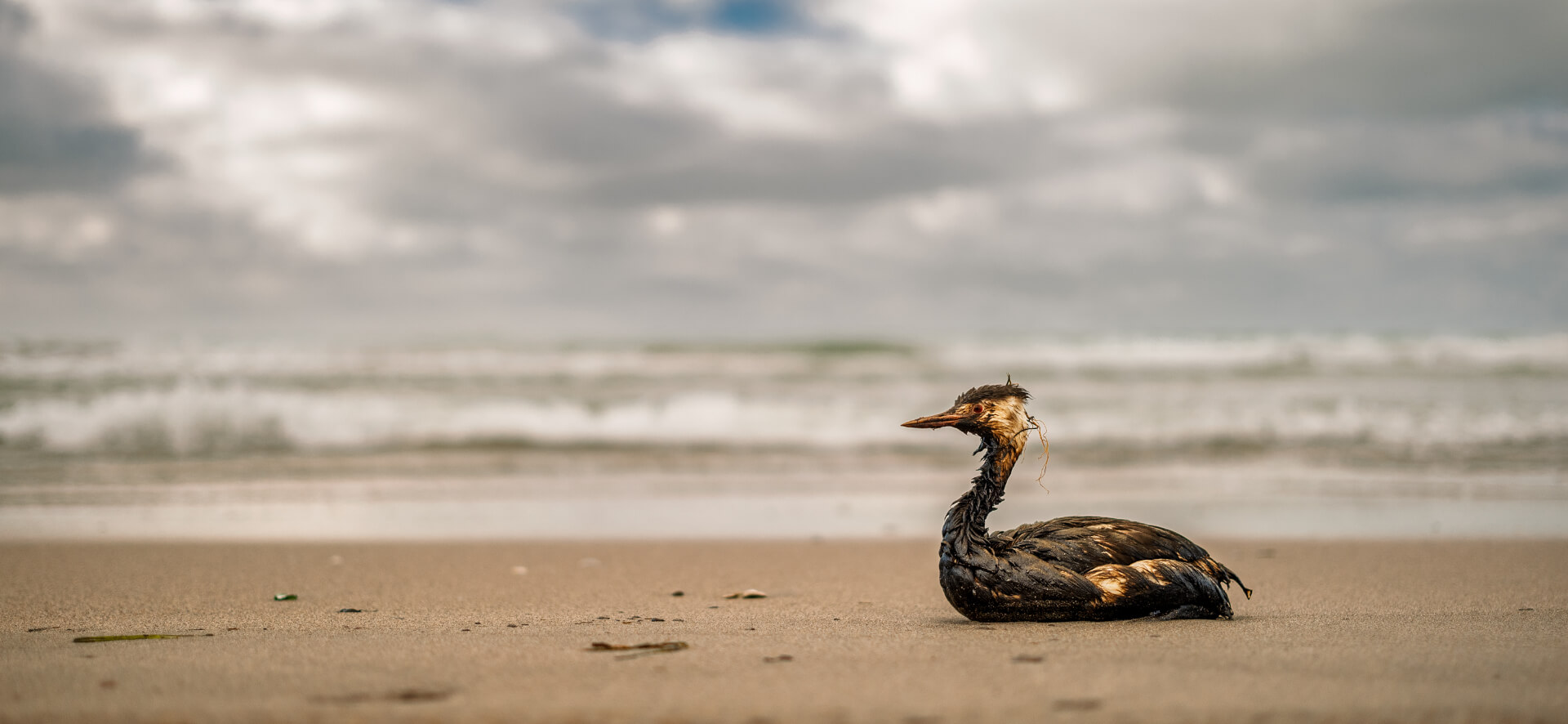
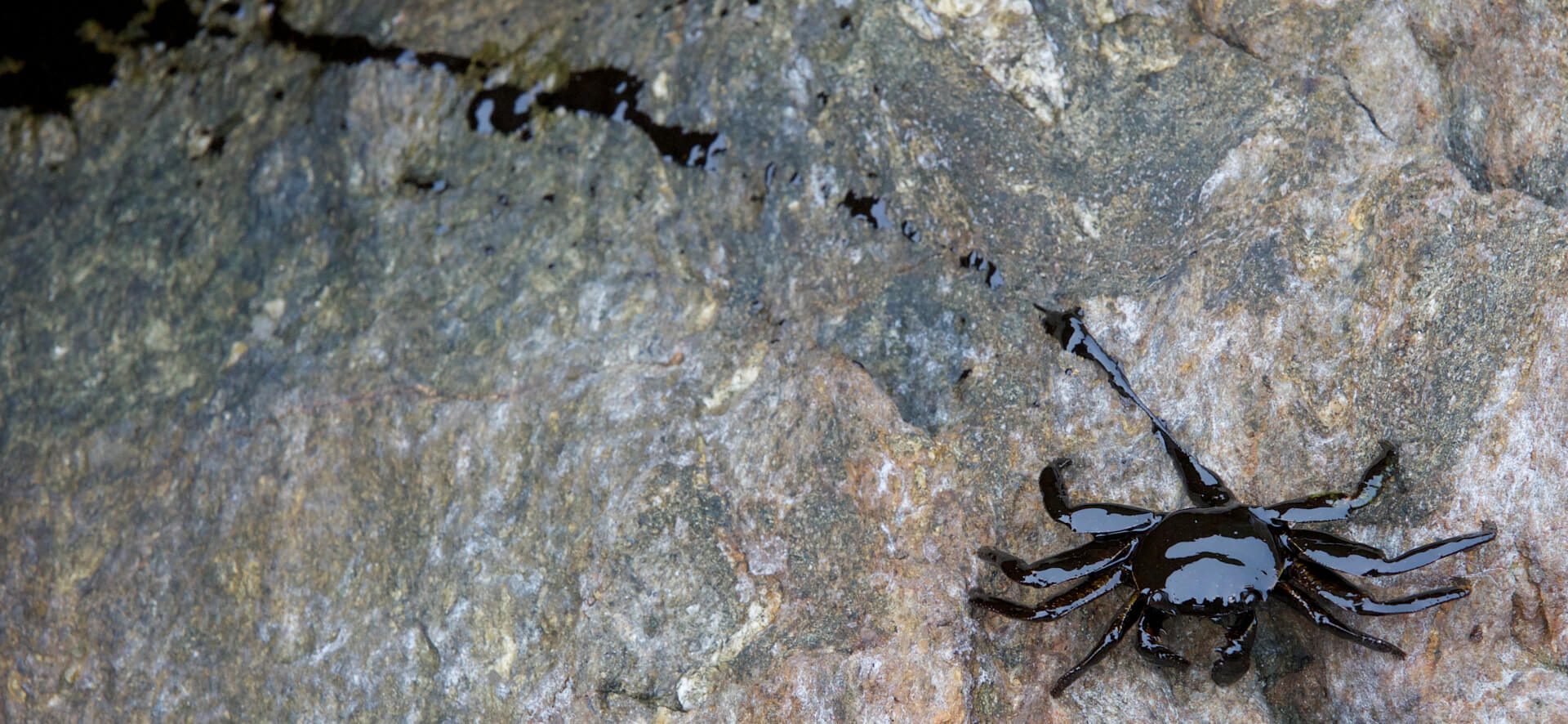
A boat spilling oil in the oceanBird covered in oil on the beachCrab covered in oilImage of oil spilled in the seaA boat spilling oil in the oceanBird covered in oil on the beachCrab covered in oilImage of oil spilled in the sea

"Large spike: +58% in detected incidents; 7513 detected"

Nome autore, titolo dell'articolo, anno di pubblicazione

Available statistics on oil spills primarily focus on incidents occurring in marine or oceanic environments due to tanker accidents or similar maritime operations. Reliable data on other sources, such as offshore platforms, bunkering activities, and related industrial operations, are either lacking or not accessible to the public.

"144,000 barrels [...] of oil released into the mediterranean sea"

Nome autore, titolo dell'articolo, anno di pubblicazione

The scientific community has long recognized oil pollution in aquatic environments as a serious and persistent issue, a conclusion supported by decades of research. In contrast, public perception often frames the problem as an infrequent and distant event, disconnected from daily life, resulting in widespread indifference.

"The Model of Optimal Allocation of Maritime Oil Spill Combat Ships"

Nome autore, titolo dell'articolo, anno di pubblicazione

At present, no definitive method exists for completely removing oil from water, as such an outcome is physically unachievable. Furthermore, not all oil remains buoyant. Through the process of weathering, spilled oil is often left in the marine environment to degrade naturally over time or sink to the seabed. When volumes are too great for this passive approach, the oil is either incinerated in situ or treated with chemical dispersants (essentially solvent-based agents) which serve only to dilute the oil within the water column.

Responsibility for the remediation of environmental disasters is not borne solely by those directly responsible for the spill; it also falls, in part, upon the governments of the affected regions, which must address both immediate and long-term consequences.

WoolFacing the market crisis

Once the unrivalled material for warmth and comfort, wool has, in recent decades, been displaced by cheaper synthetic fabrics and EU regulations, sadly turning into a waste product subject to strict disposal rules.

"Wool from 8 million dairy sheep unused in Italy"Nome autore, titolo dell'articolo, anno di pubblicazione

"1kg of wool= 100kg of oil"The economist

A simple material that is easy to produce and needs to be rethought as soon as possible: wool is the ideal candidate for saving the sea and its own economy.

Image of wool
BlackSheep is the ultimate answer to resolve these problems.
3D model of a ship
  • avoiding chemicals entirely;
  • using the greenest possible methods;
  • reaching shallow, hard-to-access waters;
  • enabling the recovery and reuse of spilled oil.
Take a look at the project!